

The Intersection of Gaming and Education
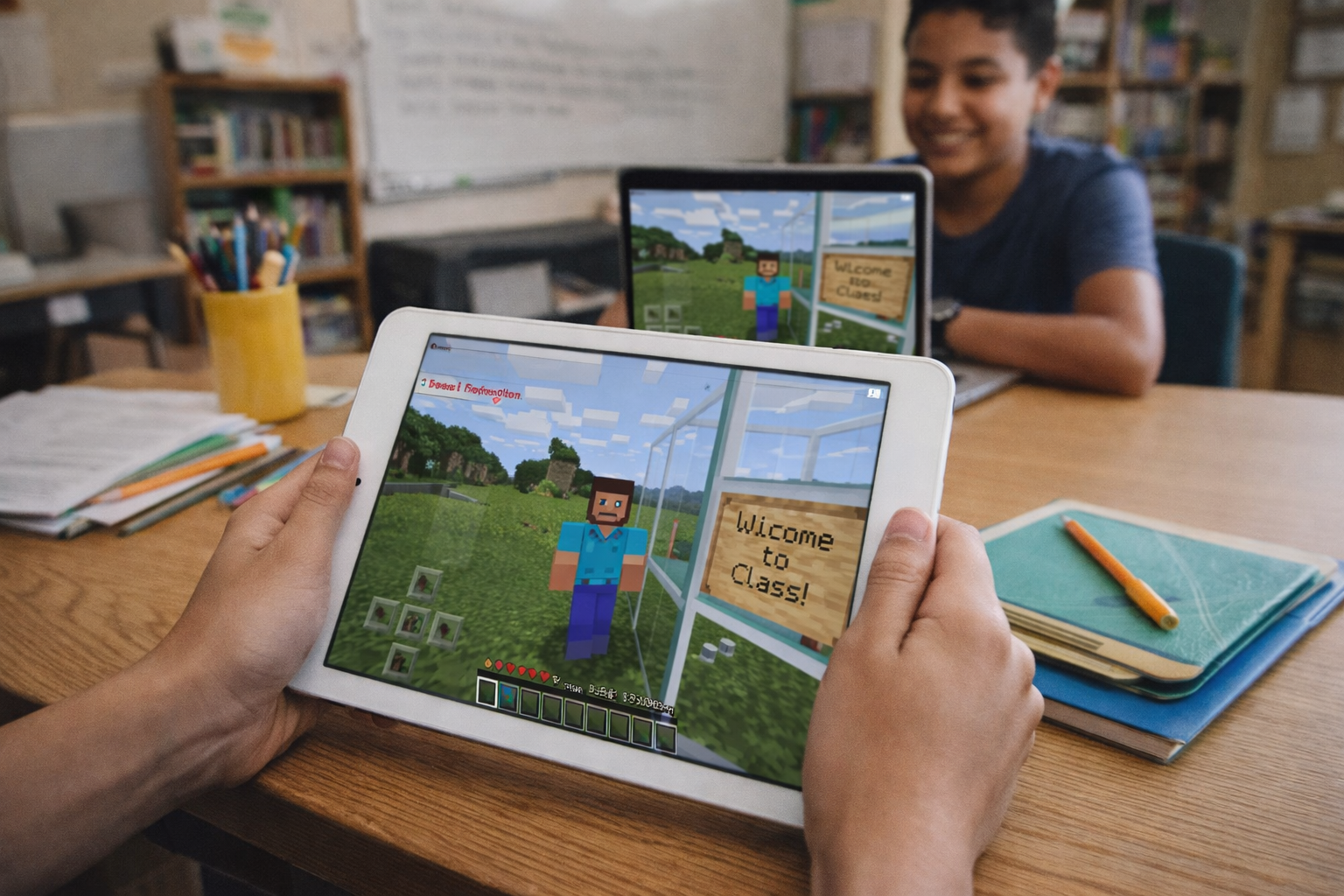
The convergence of the gaming industry and educational systems has been a significant development in recent years, leading to the rise of educational games that serve to enhance learning experiences. One prominent example is Minecraft Education, which exemplifies how gaming can transform traditional educational methodologies into something more engaging and interactive.
With the shift towards technology-driven learning, educators and developers have recognized the potential of gaming dynamics to foster student engagement. Educational games capitalize on the inherent motivational aspects of gaming—such as challenges, rewards, and the social aspects of play—creating an immersive learning environment that encourages students to participate actively in their education. In this context, Minecraft Education stands out by providing a platform where learners can explore concepts in science, mathematics, history, and the arts through an exploratory gameplay experience.
Research supports the effectiveness of integrating gaming into educational settings, highlighting that students who engage with educational games often demonstrate improved retention of information and critical thinking skills. Studies indicate that when game mechanics are applied thoughtfully, they can aid in deepening comprehension and providing context to abstract concepts. Moreover, the collaborative nature of many educational games promotes teamwork and communication among students, skills that are essential for success in today’s world.
As educational frameworks continue to evolve, embracing the use of games like Minecraft Education becomes increasingly pertinent. These tools act not only as learning aids but also as catalysts for a robust educational experience that aligns with the interests and motivations of modern learners. In this dynamic landscape, the intersection of gaming and education heralds a new era where learning is both effective and enjoyable.
Benefits of Minecraft Education in Learning
Minecraft Education Edition is becoming a pivotal tool in the modern classroom, offering a range of benefits that enhance the educational experience for students. One of the major advantages is its ability to foster creativity. Through building and designing within the game, students can express their ideas and create tangible representations of their thoughts. This freedom encourages a unique form of creative thinking, allowing students to explore their imagination while reinforcing concepts in subjects such as art, architecture, and engineering.
Additionally, Minecraft Education promotes critical problem-solving skills. Students are often faced with challenges within the game that require them to think strategically and devise solutions in real-time. This hands-on approach not only makes learning more engaging but also reinforces essential skills such as logical reasoning, critical thinking, and adaptability. These competencies are vital in today’s world, where problem-solving is increasingly noted as a valued trait in both academic and professional settings.
Another significant benefit of using Minecraft Education is its capacity to promote collaboration among students. The multiplayer aspect of Minecraft allows learners to work together on projects, fostering teamwork and communication skills. Through cooperation, students learn to share responsibilities, negotiate ideas, and resolve conflicts. This collaborative environment closely mirrors real-life scenarios where teamwork is essential, thus preparing students for future interactions in their careers and communities.
Moreover, Minecraft Education effectively gamifies complex subjects, making challenging content more accessible and engaging. For instance, educators can demonstrate mathematical principles or historical events through immersive gameplay, which enhances retention and understanding. Real-world examples, such as the implementation of Minecraft in STEM education, showcase how schools have leveraged this platform to enhance student engagement and achievement.
Challenges and Considerations in Implementing Gaming in Education
Incorporating gaming, such as Minecraft Education, into educational settings offers numerous advantages; however, it also presents several challenges that educators must navigate. One of the primary concerns is accessibility. Not all students have equal access to the technology required to engage with gaming in the classroom. Hardware disparities, particularly in lower-income areas, can inhibit students from participating fully in gamified learning experiences. Therefore, schools need to evaluate available resources and invest in necessary technology to create an inclusive environment.
Another significant consideration involves teacher training. Educators must be adequately prepared to integrate gaming into their curricula effectively. Professional development sessions focusing on the educational potential of games are crucial for empowering teachers to use these tools confidently. Training should not only cover technical aspects but also pedagogical strategies to ensure that gaming aligns with learning objectives. Without proper training, there is a risk that teachers may underutilize these resources or misalign them with educational goals.
Balancing gameplay with educational objectives is another challenge. While games can enhance engagement, educators must ensure that gaming does not overshadow the curriculum. Establishing clear guidelines on how gameplay contributes to learning outcomes can help manage this balance. Additionally, differing opinions on the role of gaming in education can lead to resistance among parents, school boards, or even within the teaching staff. Open communication and collaboration are essential in addressing concerns and demonstrating the benefits of educational gaming.
To overcome these challenges, schools should consider pilot programs that allow teachers to test gaming integration on a small scale. Gathering data and feedback from these initiatives can inform broader implementation and help tailor professional development initiatives. By proactively addressing these challenges, educators can leverage the full potential of gaming to enhance learning experiences.
The Future of Education through Gaming
The landscape of education is continuously evolving, and gaming technology is poised to play a significant role in that transformation. As we look toward the future, it is essential to consider how advancements in gaming can facilitate innovative educational models that engage students and improve their learning experiences. The integration of interactive gaming into the classroom can pave the way for personalized learning paths, enabling students to progress at their own pace while actively participating in their education.
Emerging educational tools harnessing the power of gaming are becoming more prevalent. For instance, virtual and augmented reality applications are offering immersive experiences that can enhance understanding of complex subjects. By allowing students to visualize mathematical concepts or explore historical events in a three-dimensional environment, these tools make learning more accessible and appealing. Additionally, gamified learning platforms encourage healthy competition among learners, motivating them to achieve their academic goals through rewards and recognition.
As these advancements unfold, the role of educators will be crucial. Teachers will need to adapt their methodologies to integrate gaming effectively within their curricula, ensuring that technology serves as a catalyst for learning rather than a distraction. Professional development and training will be essential for educators to feel confident in utilizing these tools, thereby fostering an environment rich in creativity and collaboration. Furthermore, schools must remain flexible and open to adopting innovative educational solutions that can address diverse learning styles and needs.
The future of education through gaming holds immense potential, but it requires a concerted effort from educators, institutions, and technology creators. By embracing the evolution of learning through gaming, we can redefine traditional educational models, making learning more engaging, effective, and inclusive.
